Embarrassed About Your Teeth? What Your Dentist Really Thinks
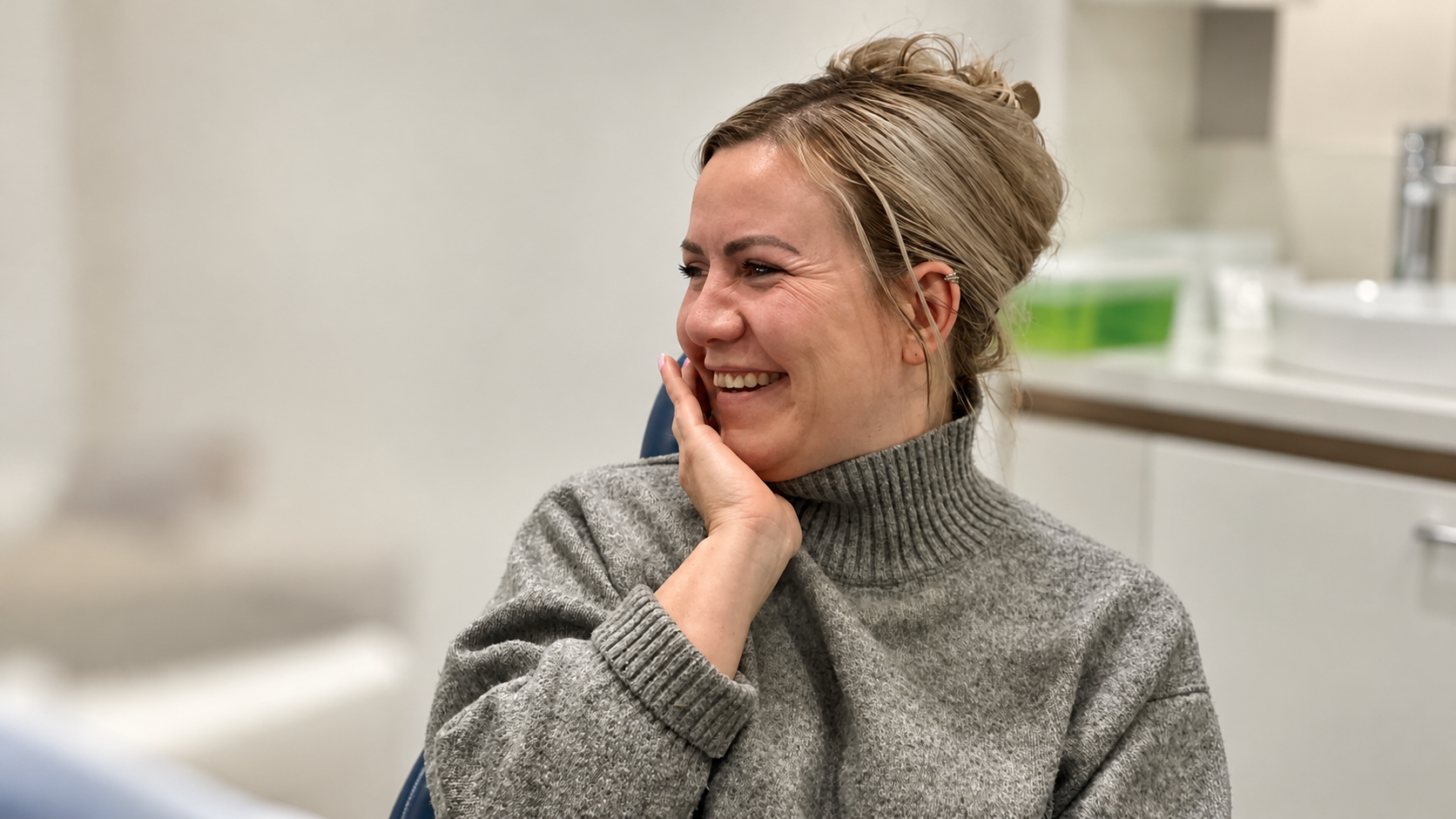
“I know my teeth are bad. I'm just too embarrassed to let anyone see them.”
For some people, the hardest part of visiting the dentist isn't the treatment. It's opening their mouth.
Perhaps you haven't been to the dentist in years. Maybe you've noticed a broken tooth, bleeding gums or bad breath. You might avoid smiling in photographs or cover your mouth when you laugh.
And somewhere along the way, a worrying thought has settled in:
“What will the dentist think of me?”
At Lytham Dental Clinic, we understand that embarrassment can be just as difficult to overcome as dental anxiety.
If you've been putting off an appointment because you're ashamed of your teeth, there's something we'd like you to know.
You don't need to have perfect teeth to deserve kindness, respect and dental care.
“I Haven't Looked After My Teeth Properly”
Perhaps you haven't brushed as often as you should. Maybe flossing hasn't been part of your routine, or you've struggled to keep up with dental appointments.
You already know things could have been different. You don't need someone to remind you.
But oral health isn't always straightforward.
Stress, illness, mental health difficulties, financial pressures and busy family lives can all affect how we care for ourselves.
Sometimes, simply getting through the day takes priority.
And when dental problems begin, embarrassment can make it even harder to seek help.
Your dentist's role isn't to judge your past. It's to help you understand your oral health and what you can do next.
“My Teeth Are Rotten. They'll Be Horrified.”
It's easy to imagine the worst.
You picture the dentist looking inside your mouth, shaking their head or asking why you let things get this bad.
That fear can feel very real, especially if you've had an uncomfortable dental experience before.
But dentists are trained to assess and treat a wide range of oral health problems, including extensive decay, damaged teeth and gum disease.
What feels overwhelming to you is something a dental professional can assess calmly and clinically.
There may be several ways to manage your dental concerns. The options will depend on the condition of your teeth, gums and overall oral health.
And you don't have to make every decision during your first appointment.
“I've Lost Teeth, and I'm Ashamed of My Smile”
Missing teeth can affect much more than eating.
You might have stopped smiling naturally. Perhaps you avoid certain foods or feel uncomfortable speaking to new people.
For some, the change happens slowly. One missing tooth becomes two, and eventually smiling without thinking feels like a distant memory.
It's understandable to feel upset about that.
But losing teeth doesn't mean you've failed.
There are different ways to replace missing teeth, including dentures, bridges and dental implants. Not every option is suitable for everyone, and sometimes other dental concerns need attention first.
At Lytham Dental Clinic, we can discuss the options that may be appropriate for you, without pressure to choose a particular treatment.
The first step isn't choosing a new smile. It's understanding your choices.
“I've Ignored My Teeth for Years. It's Too Late Now.”
This is one of the thoughts that can keep people away from the dentist for the longest.
Perhaps you've been meaning to book an appointment for five years. Maybe ten. Perhaps you can't remember when you last went.
The longer you wait, the harder that first phone call can feel.
But you don't need to explain every year you've been away.
It's never too late to ask for an assessment, although some dental problems may become more difficult to treat over time.
Even when a tooth cannot be saved, there may be ways to manage discomfort, restore function or replace missing teeth.
You can begin by finding out what's happening in your mouth today.
“I'm Embarrassed About My Bad Breath”
Bad breath can be particularly difficult to talk about.
You might worry that people notice when you speak. Perhaps you've started keeping your distance during conversations.
But persistent bad breath is a health concern worth discussing, not something to feel ashamed of.
It can have several causes, including plaque build-up, gum disease, dry mouth and certain medical conditions.
A dental examination can help identify possible oral causes and guide you towards suitable care.
You don't have to apologise for asking about it.
“What If the Dentist Tells Me Off?”
If you've ever felt criticised during a dental appointment, you may remember that feeling long afterwards.
Perhaps someone made a comment about your brushing or seemed frustrated that you hadn't attended sooner.
Experiences like these can make returning to the dentist incredibly difficult.
At Lytham Dental Clinic, our aim is to create an environment where patients feel listened to, respected and involved in decisions about their care.
We may need to explain concerns about your oral health or recommend changes to your routine. But those conversations should be constructive, not humiliating.
You deserve honest advice delivered with compassion.
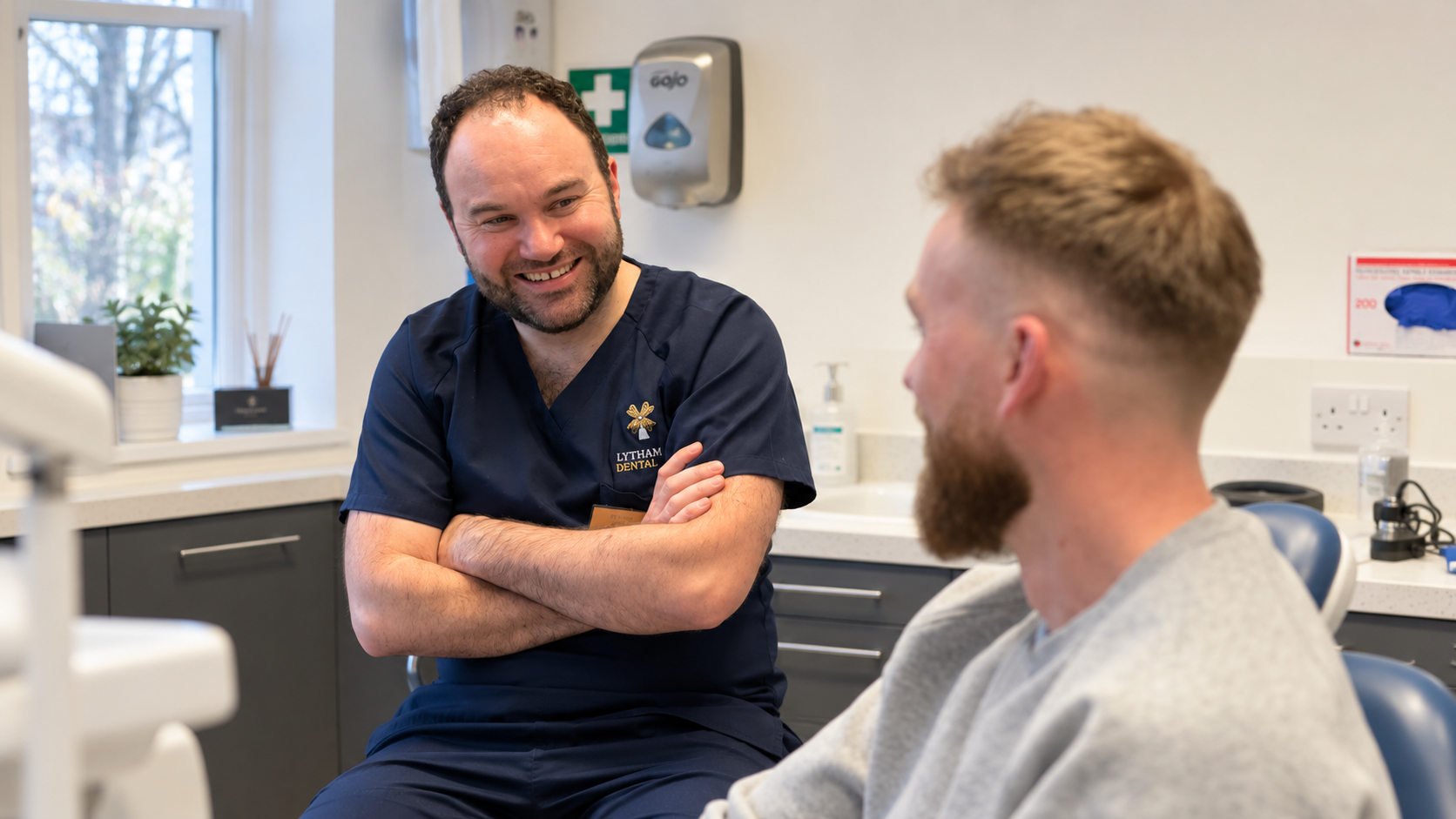
What Actually Happens When You Finally Come In?
If you're feeling embarrassed, knowing what to expect may make your first visit easier.
1. We start with a conversation.
You can tell us what's worrying you, how long it's been since your last appointment and whether you've had difficult experiences before.
You can also tell us that you're embarrassed. You don't have to pretend you're feeling confident.
2. We examine your teeth and gums.
Your dentist will assess your oral health and may recommend X-rays where clinically appropriate.
If you're uncomfortable, let us know. You can ask questions, request a pause or discuss your concerns throughout the appointment.
3. We explain what we've found.
We'll talk through any dental problems, which concerns may need attention first and what treatment options might be suitable.
4. We discuss the next steps together.
You'll have the opportunity to ask about treatment, costs, timescales and alternatives before making an informed decision.
An initial assessment doesn't mean agreeing to extensive treatment.
Sometimes, the most important thing you achieve at that first appointment is simply walking through the door.
You Don't Have to Feel Brave to Book an Appointment
You might still feel nervous.
You might rehearse what you're going to say on the phone, worry about what we'll find or feel tempted to cancel.
That's understandable.
If it helps, you can tell our reception team that you haven't visited a dentist for a long time and feel embarrassed about your teeth.
You don't need to share every detail before you're ready.
And you don't have to wait until you're in pain to ask for help.
Your Teeth Are Not a Reflection of Your Worth
Perhaps you've spent years hiding your smile.
Perhaps you feel guilty about the appointments you've missed or the problems you've left untreated.
But your dental health doesn't define who you are.
You are not your missing teeth, your bad breath, your dental history or the years you've spent avoiding the dentist.
You're a person who deserves to be treated with dignity.
At Lytham Dental Clinic, we're interested in helping you move forward, not making you feel worse about where you've been.
You don't need to arrive with perfect teeth.
You don't need to have all the answers.
And you certainly don't need to apologise for asking for help.

Ready to Take That First Step?
If embarrassment has been keeping you away from the dentist, you're welcome to contact Lytham Dental Clinic and talk to us about your concerns.
Whether it's been months or many years since your last visit, we can help you arrange an initial assessment and discuss what happens next.
You don't have to feel confident before you reach out. Sometimes, confidence begins with that first conversation.