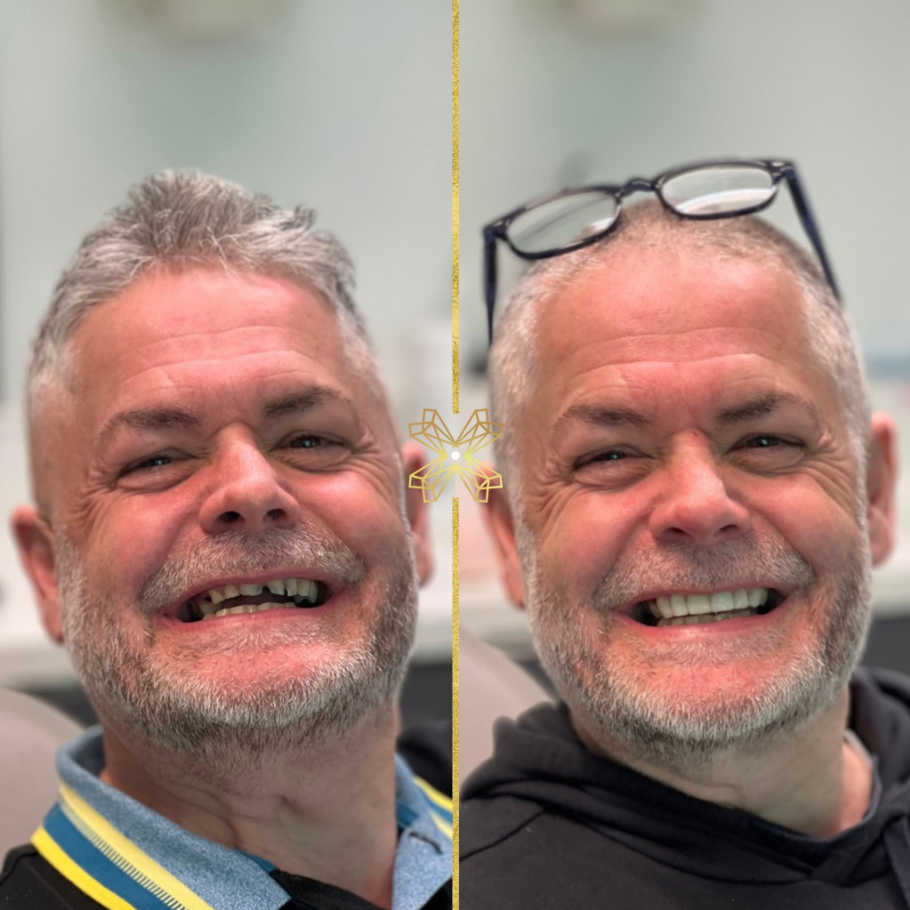

You've seen the before-and-after photos. A chipped tooth looks whole again. Small gaps disappear. Uneven edges become a smooth, balanced smile.
It's easy to understand why composite bonding has become such a popular cosmetic dental treatment.
But here's something you might not hear as often: composite bonding isn't always the best choice for your teeth.
Sometimes, the treatment you have in mind isn't the one that will give you the healthiest or longest-lasting result.
At Lytham Dental Clinic, we believe knowing when not to recommend a treatment is just as important as knowing how to provide it.
So, who might not be suitable for composite bonding? And what could work better?
1. Your teeth are severely crowded or crooked
Composite bonding can make small changes to the shape of your teeth. It can close minor gaps, smooth uneven edges and improve the appearance of slightly irregular teeth.
But it doesn't move teeth.
If your teeth are significantly crowded or overlapping, adding composite material may make them look wider or bulkier. It could also create areas that are harder to clean.
What might work better?
Orthodontic treatment, such as Invisalign, may be a more suitable first step.
By moving your natural teeth into better positions, we may be able to achieve the smile you're hoping for without adding extra material.
Sometimes, a combination of Invisalign and small amounts of bonding gives a more natural result.
2. You grind or clench your teeth heavily
Do you wake up with a sore jaw? Has anyone mentioned that you grind your teeth at night?
Teeth grinding, also called bruxism, can place considerable pressure on your teeth.
And while composite bonding is durable, it isn't indestructible.
Heavy grinding or clenching can cause the bonding to chip, wear down or break sooner than expected.
What might work better?
We would first want to understand what's causing the wear and how much pressure your teeth experience.
Depending on your situation, we may recommend a protective night guard, treatment to manage the grinding, or a different restorative approach.
Bonding may still be possible, but protecting your teeth comes first.
3. You have untreated gum disease
Imagine decorating a house before checking whether the foundations are sound.
That's a little like improving the appearance of your teeth while ignoring unhealthy gums.
If your gums bleed regularly, feel swollen or show signs of active gum disease, cosmetic treatment may need to wait.
Gum disease can affect the tissues supporting your teeth. In more advanced cases, it can even lead to loose teeth.
What might work better?
A dental examination and appropriate gum treatment should come first.
Once your gums are healthier and the condition is stable, we can revisit your cosmetic options.
A beautiful smile should have a healthy foundation.
4. Your bite puts too much pressure on certain teeth
Your bite is the way your upper and lower teeth meet.
You might not think much about it, but it plays an important role in how well composite bonding lasts.
If certain teeth experience excessive pressure when you bite or chew, bonding in those areas may be more likely to chip or fracture.
For example, adding composite to the edges of your front teeth may not be advisable if your lower teeth repeatedly strike those areas.
What might work better?
Depending on the cause, we may recommend orthodontic treatment or another way to manage the pressure on your teeth.
We'll assess your bite before deciding whether bonding is a sensible option.
5. You want a dramatic colour change
Perhaps your main concern isn't the shape of your teeth.
It's their colour.
Composite bonding can improve the appearance of individual teeth, but there's something important to understand: composite doesn't whiten like natural teeth.
The material is matched to a chosen shade when it's placed. It can also pick up stains over time, particularly from habits such as smoking or frequently drinking tea and coffee.
If you want a noticeably whiter smile, bonding every visible tooth may not be the most suitable starting point.
What might work better?
Professional teeth whitening may be worth considering first.
If you also want to correct small chips or gaps, we can then match the bonding to your new tooth shade.
This can sometimes achieve the result you want with less treatment.
6. Your teeth have significant damage or decay
Composite bonding works particularly well for certain minor cosmetic changes.
But what if a tooth has a large fracture, extensive decay or very little healthy structure remaining?
In these situations, adding cosmetic bonding may not provide the strength or protection the tooth needs.
And covering a problem doesn't make it disappear.
What might work better?
Depending on the condition of your tooth, we may recommend a filling, crown or another restorative treatment.
Our priority would be to restore the tooth's health and function before focusing on its appearance.
7. You're expecting a permanent, maintenance-free smile
One of the biggest misconceptions about composite bonding is that once it's done, you never need to think about it again.
Unfortunately, that's not quite how it works.
Composite bonding can produce lovely, natural-looking results, but it may stain, chip or wear over time.
It may also need polishing, repairs or eventual replacement.
How long it lasts depends on several factors, including your bite, habits, oral hygiene and the amount of bonding used.
If you're expecting a treatment that will never change or need maintenance, composite bonding may leave you disappointed.
What might work better?
We would discuss your expectations and explain the benefits and limitations of different treatments.
Porcelain veneers may be an option for some patients seeking greater stain resistance, although they also require maintenance and may involve removing some natural enamel.
No cosmetic dental treatment lasts forever.
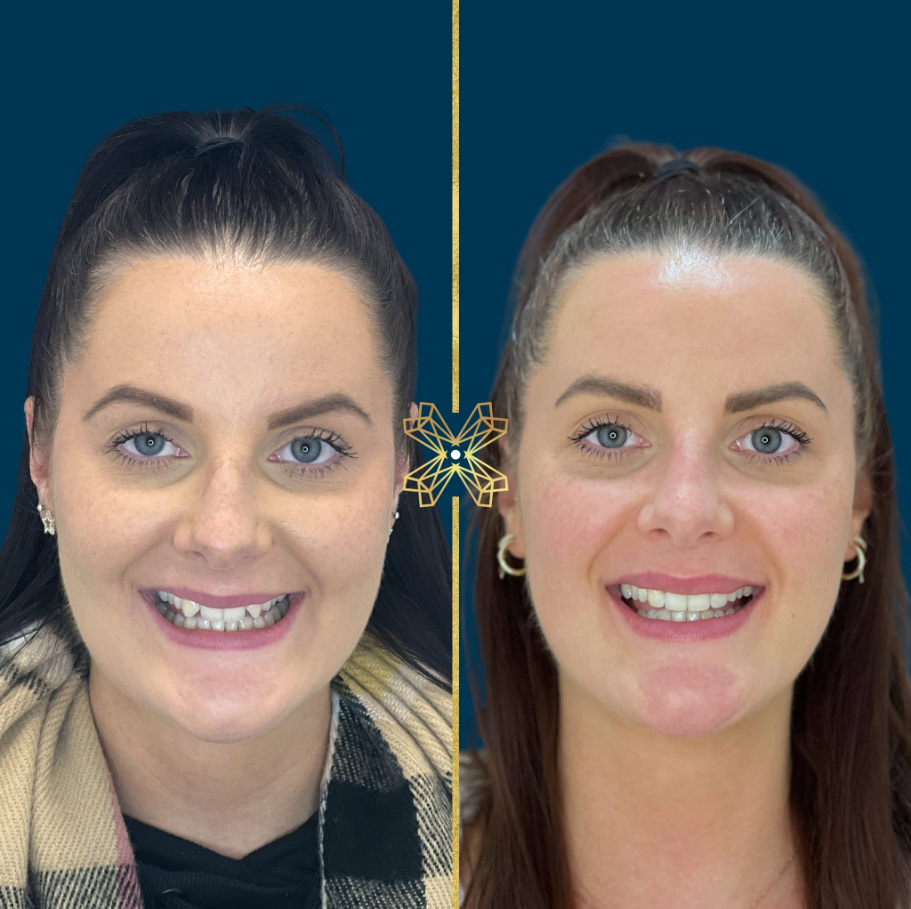
Does composite bonding damage your natural teeth?
This is one of the most common concerns patients have, and it's a sensible question to ask.
One of the advantages of composite bonding is that it can often be carried out with little or no removal of natural enamel.
However, that doesn't mean every case is completely reversible or risk-free.
Some teeth may require preparation, and removing or replacing old bonding can sometimes affect the underlying tooth surface.
That's why we believe in taking a careful, conservative approach.
The goal isn't simply to change your smile. It's to protect the healthy teeth you already have.
What if you're not suitable for composite bonding?
Being told that composite bonding isn't your best option doesn't mean you can't improve your smile.
It simply means there may be a better way to achieve what you're hoping for.
At Lytham Dental Clinic, we'll take the time to understand what you would like to change, assess your teeth and gums, and explain which treatments may be appropriate.
That might mean Invisalign, teeth whitening, restorative dentistry or another cosmetic option.
It might even mean recommending no treatment at all.
Because sometimes, the best thing we can do for your smile is advise you against a procedure you don't need.
Thinking about composite bonding in Lytham?
If you're considering composite bonding but aren't sure whether it's right for you, we're here to help you explore your options.
We'll talk through your concerns, examine your teeth and explain what you can realistically expect, including any limitations or future maintenance.
You deserve advice that's right for your teeth, not simply the treatment you originally asked about.
Book a consultation at Lytham Dental Clinic and take the first step towards a smile that looks good and stays healthy.